

Overview: AGVs Become Core Equipment for Global Industrial Intelligent Transformation
Driven by the rapid development of global smart manufacturing and intelligent logistics industries, Automated Guided Vehicles (AGVs) have become essential core equipment for factory unmanned transformation and supply chain intelligent upgrading. Featuring fully automatic operation, high positioning accuracy and strong adaptability to diverse scenarios, the new-generation AGV intelligent solutions are widely applied in industrial manufacturing, cross-border port logistics, new energy, home appliance production, warehousing and logistics sectors. In 2026, with continuous technological iteration and expanding application scenarios, AGV robots are gaining increasing popularity worldwide, providing solid support for the digital and intelligent transformation of global industrial enterprises.
Industry Growth: AGV/AMR Market Enters High-Speed Intelligent Upgrading Stage
Industry data shows that the global and domestic AGV/AMR markets maintain a rapid growth momentum. In 2025, domestic AGV and AMR robot shipments exceeded 280,000 units, with the market size reaching RMB 42 billion. Intelligent and flexible AMR products accounted for more than 55% of new shipments, and this figure is expected to surpass 65% in 2026. This marks a comprehensive upgrade of the mobile robot industry from traditional fixed-path operation modes to intelligent and autonomous operation. Compared with manual handling and fixed conveying equipment, AGVs enable full-process unmanned operations including material transportation, cargo sorting, finished product distribution and cross-border logistics. They effectively solve key industrial pain points such as high labor costs, low operational efficiency, frequent manual errors and potential safety risks in high-risk working scenarios.
Technological Iteration: Smart Navigation and Flexible Deployment Lead Industry Upgrade
Technological innovation serves as the core cornerstone of the booming AGV industry. Traditional fixed navigation methods such as magnetic stripe and QR code navigation are gradually phased out, while laser navigation, visual recognition and AI perception technologies have become standard configurations for new-generation AGV robots. Equipped with autonomous path planning, dynamic obstacle avoidance and multi-robot collaborative scheduling functions, AGVs support flexible deployment and rapid capacity expansion. Breaking the drawbacks of long commissioning cycles and rigid upgrading of conventional equipment, the 2026 upgraded intelligent AGVs can be fully deployed within 12 hours, and single-unit capacity expansion can be completed in just 20 minutes, significantly reducing the time and capital costs of enterprise intelligent transformation. Meanwhile, the upgraded AI anti-collision, intelligent recognition and stable wireless control systems ensure safe, stable and 24/7 uninterrupted operation in complex working environments.
Product Innovation & Global Layout: Chinese AGV Brands Boost Global Competitiveness
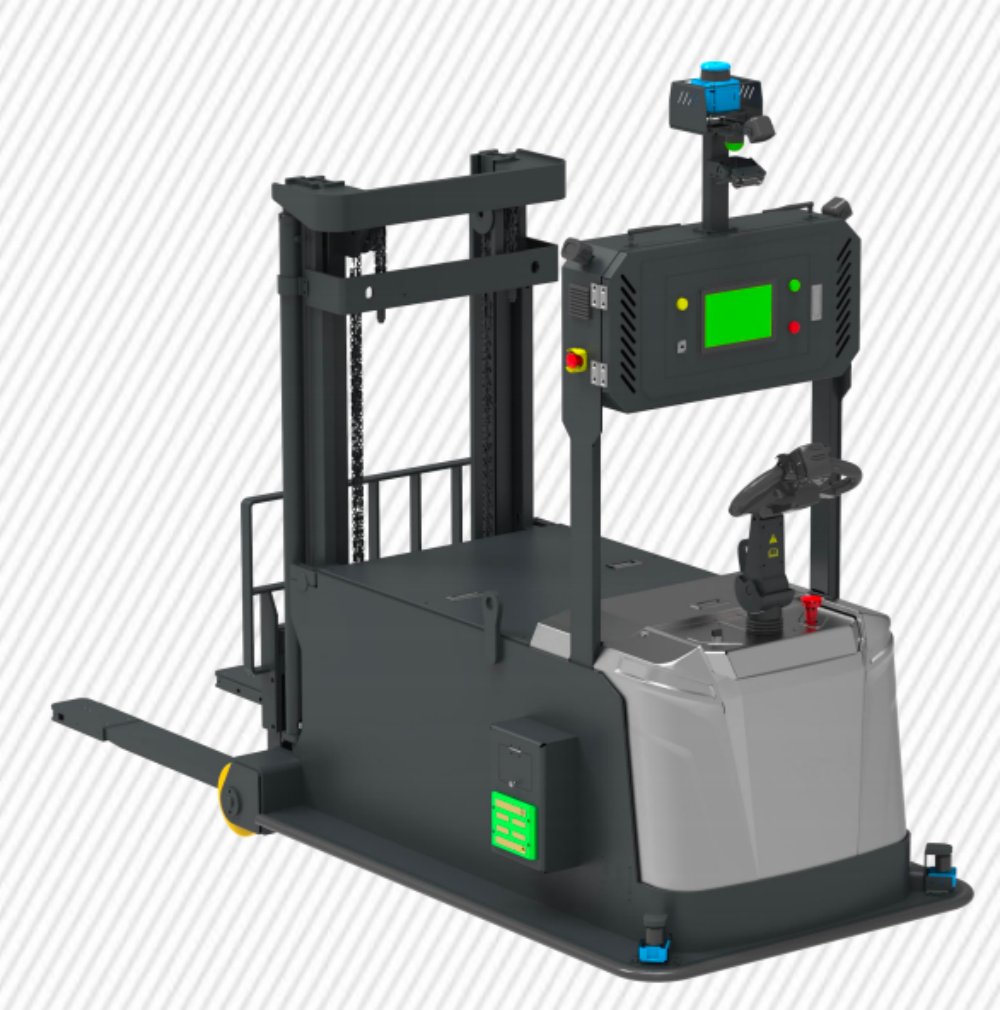
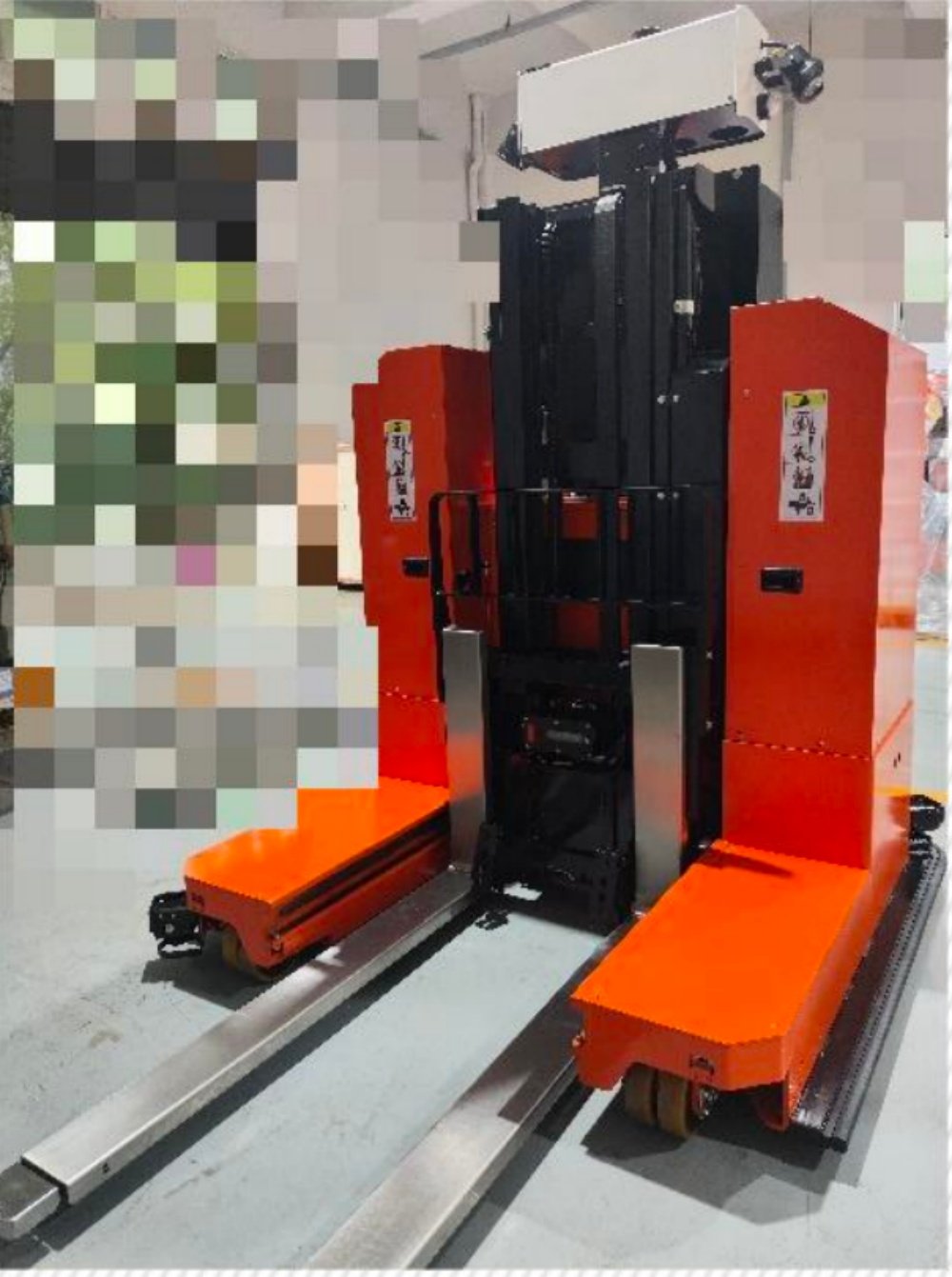
Global Chinese AGV brands continue to make breakthroughs in core technologies and launch innovative patented products. In August 2026, a novel rotatable and extendable forklift AGV was officially patented. By optimizing the fork driving structure and omnidirectional mobility, it greatly enhances the operational stability and flexibility of heavy-duty forklift AGVs, perfectly adapting to heavy-load and narrow-space working scenarios and filling the technical gap in this global segmented field. Leading domestic mobile robot enterprises have further expanded their global layout and launched scenario-based customized solutions. Recently, nearly 200 intelligent forklift AMRs were delivered for overseas orders, setting a new local import record and fully demonstrating the core competitiveness and reliable quality of Chinese AGV products in the global market.
Scenario Expansion: Full Coverage of Industrial and Cross-Border Logistics Applications
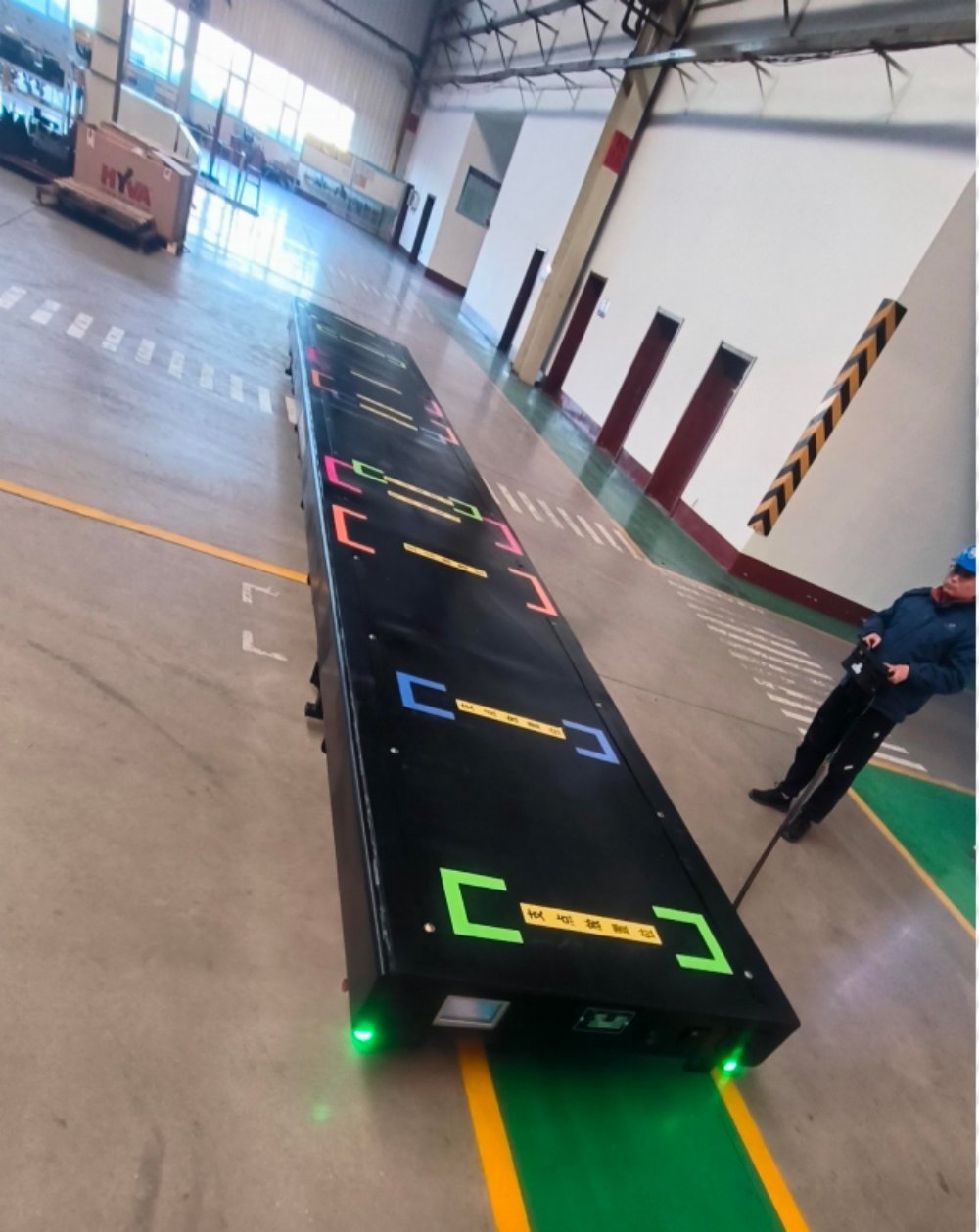
Currently, AGV application scenarios have achieved full global coverage, extending far beyond enclosed indoor production workshops. In the home appliance and industrial manufacturing industry, leading enterprises have deployed multi-factory collaborative AGV logistics systems, connecting material transportation links across factories and realizing full automation of production logistics. In cross-border port logistics, AGV unmanned transportation solutions have been successfully implemented, greatly improving port customs clearance and cargo transportation efficiency. Operational data indicates that the daily operating trips of port AGVs have increased from 20 to 200, with daily coal transportation capacity rising from 1,300 tons to 13,000 tons and cumulative cross-border transportation trips exceeding 73,000. In the new energy and photovoltaic industries, outdoor-adaptable AGV robots are widely used for large component handling and long-distance material transportation, suited to open and complex outdoor construction scenarios.
Application Value: Significant Cost Reduction and Efficiency Improvement for Enterprises
The large-scale implementation of AGVs has delivered remarkable cost reduction and efficiency improvement benefits for global enterprises. Practical application data verifies that after deploying AGV intelligent logistics systems, enterprises can boost material handling efficiency by over 50% and achieve a material distribution on-time rate of 99.9%, eliminating almost all manual sorting and distribution errors. Supported by an intelligent unified scheduling system, multiple AGVs can operate collaboratively on the same site and support the compatible operation of new and existing equipment. This maximizes the utilization of enterprise existing assets, effectively cuts labor and equipment operation and maintenance costs, and facilitates refined, efficient and intelligent production management for enterprises.
Future Outlook: Intelligent Collaboration Becomes the New Development Trend
Industry experts state that the global AGV industry is undergoing a strategic upgrade from "labor replacement" to "intelligent collaboration". With the in-depth integration of AI large models and intelligent scheduling systems, future AGVs will support voice command control, full-scene autonomous scheduling and multi-device intelligent collaboration, adapting to more customized and highly complex industrial scenarios. Driven by the booming global demand for industrial intelligent transformation and continuous technological innovation, AGV robots will remain core infrastructure for unmanned and digital factory upgrading, continuously empowering the high-quality development of the global manufacturing, logistics and cross-border trade industries.


